“Experiences shape how the brain develops,” writes Nicole Humlicek in the article “How Teaching Handwriting Supports Brain Development” in EdWeek. “When children write by hand, they activate neural networks responsible for language, memory, attention, and learning in ways that typing simply does not replicate.”
Recent research has revealed the immense cognitive benefits of writing by hand. By lighting up different areas of the brain, writing can help promote both deeper learning and retention of material—especially when compared with typing. Even adults experience better conceptual understanding of a subject when they take notes by hand rather than typing them.
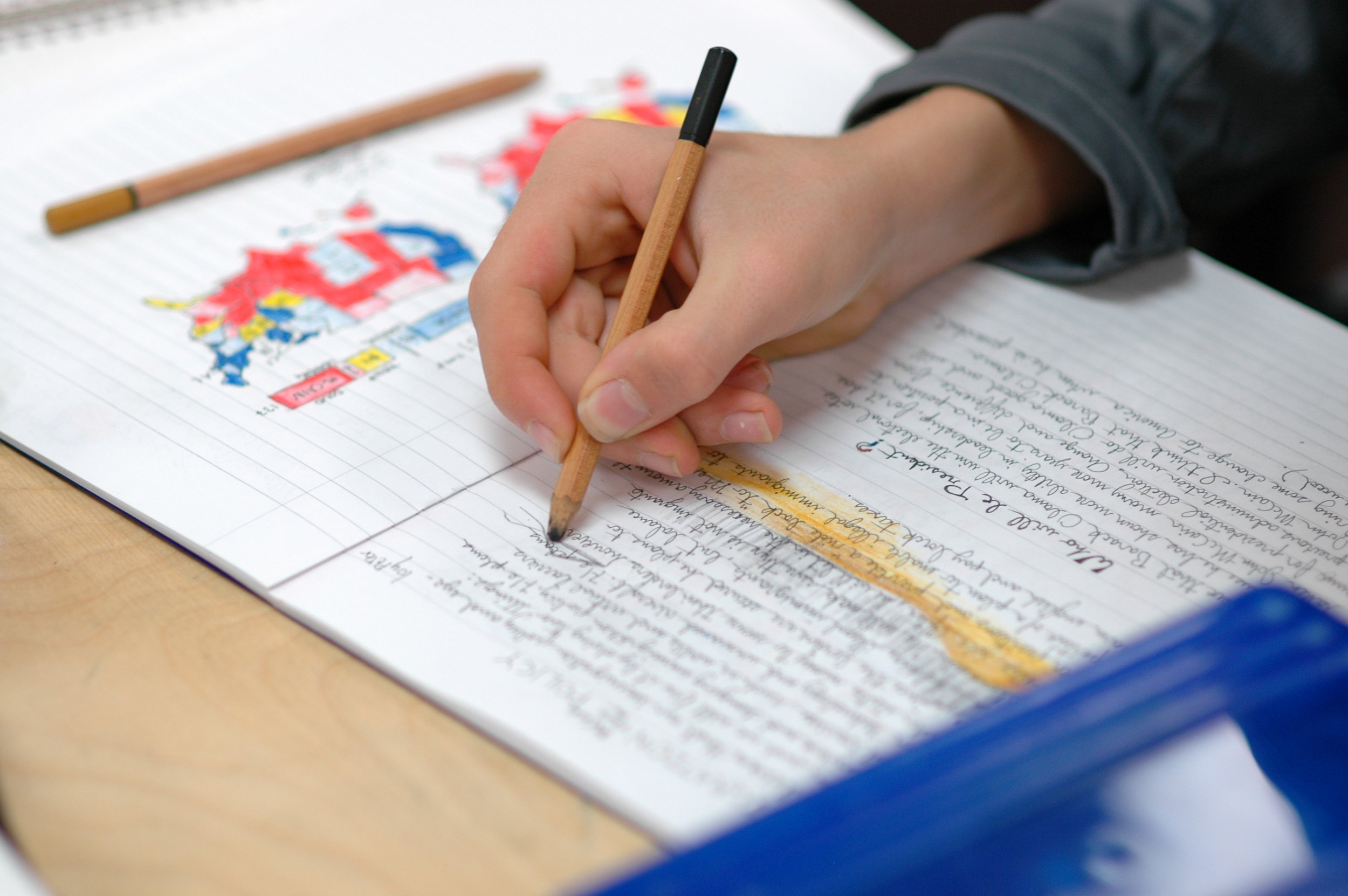
At Portland Waldorf School, we have always understood the intimate relationship between mind and body, including the unique importance of writing by hand. Here, handwritten materials, along with art and illustration, are used as tools for learning across ages and academic disciplines.
Main Lesson Books in Grades 1-8

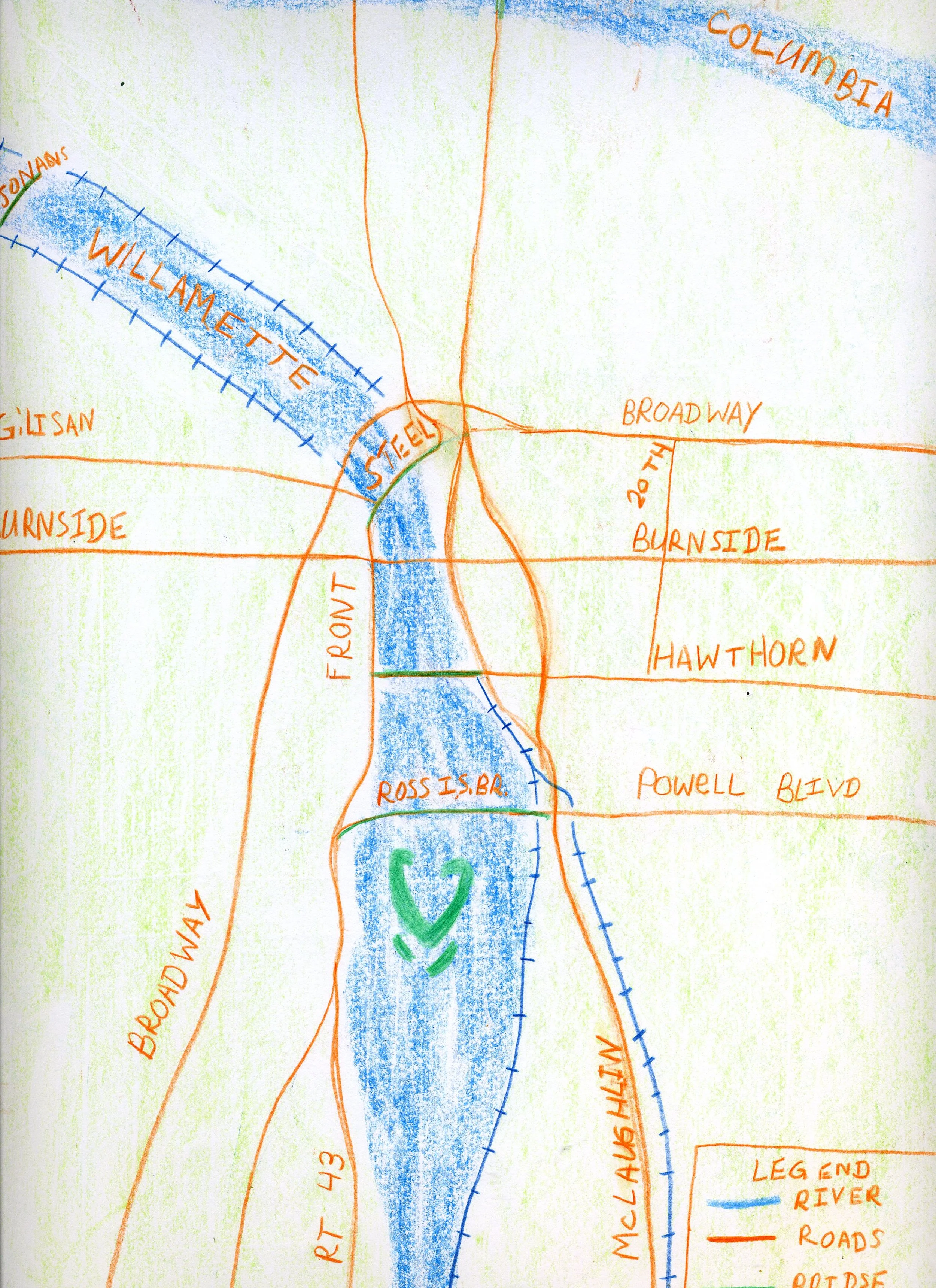
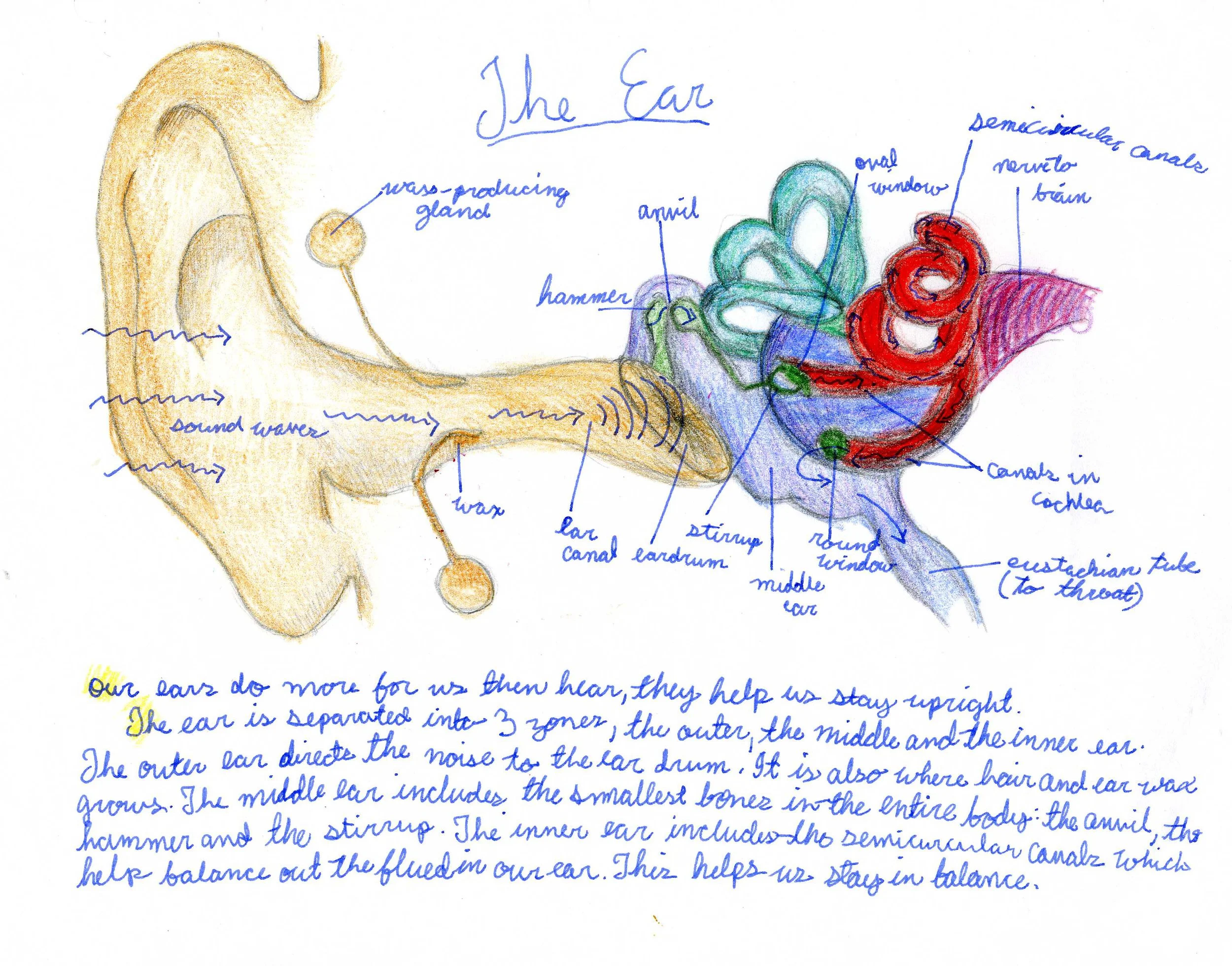
In grades 1-8, students at PWS create a living record of their learning process in handmade workbooks, known as “main lesson books.” Guided by teachers, students fill their main lesson books with detailed illustrations, diagrams, maps, verses, observations, lab results, and summaries of the material presented in class, fostering a personal connection to the material while simultaneously encoding learning through handwriting and art.
Rather than referring to textbooks or worksheets, our students benefit from the process of actively translating lesson material into their own words and images, fostering a more complete understanding of the topic. It’s also an opportunity to hone their ability to focus, to work independently, and to organize their ideas while offering the teacher valuable insight into a student’s progress and understanding. Unlike pre-made worksheets or tests, main lesson books offer a rich sense of a student’s grasp of class material.
High School Portfolios

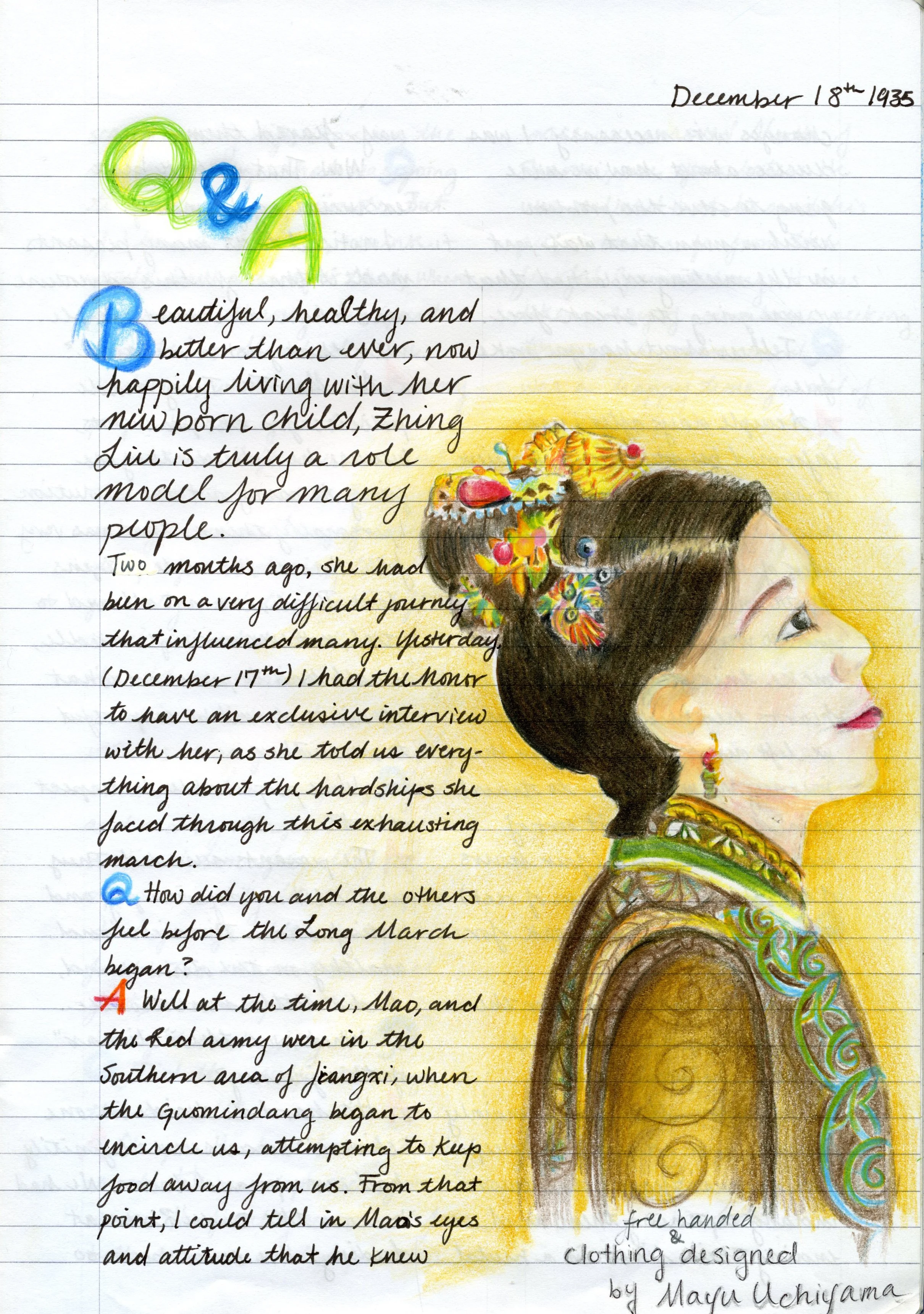
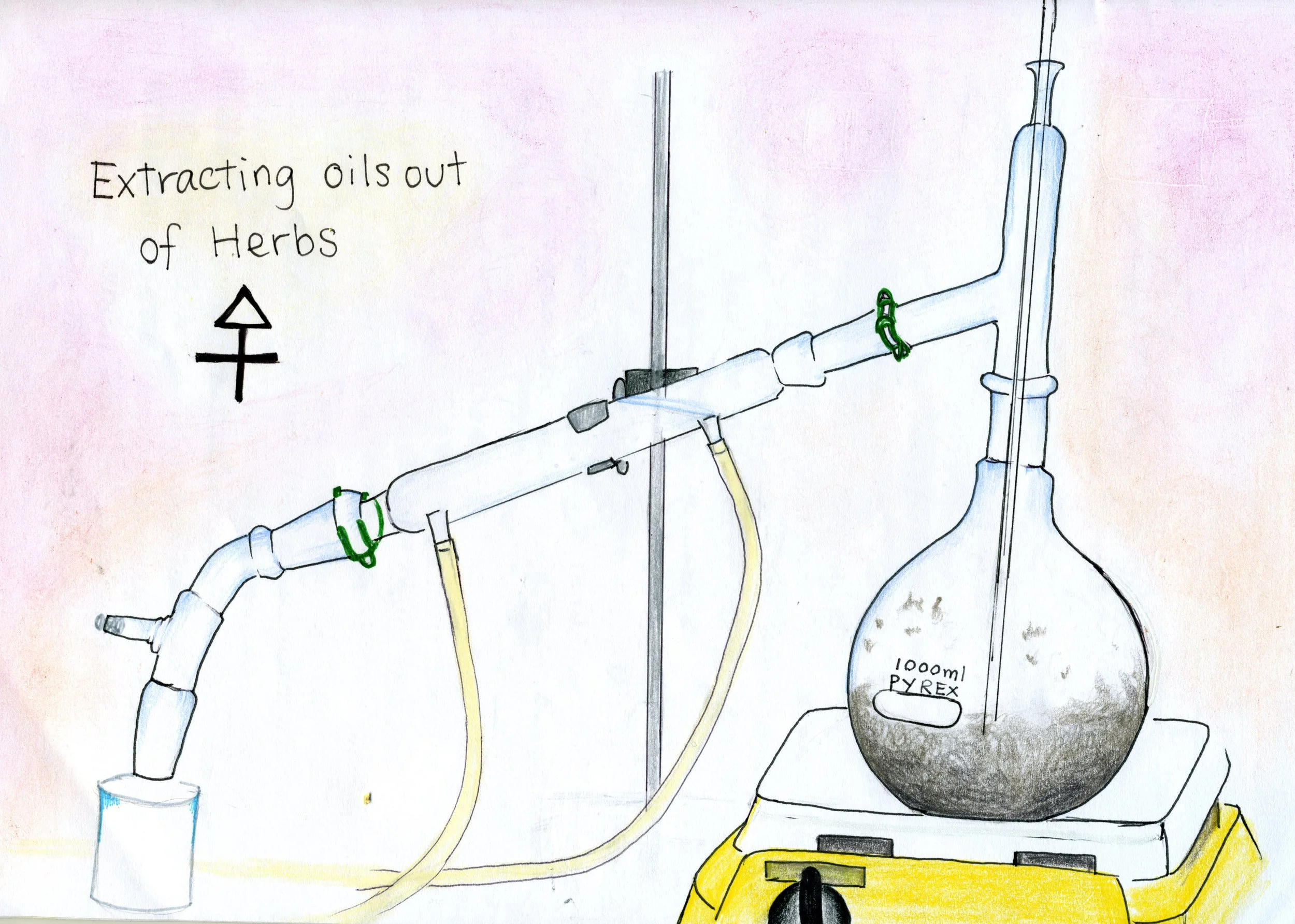
The practice of recording and illustrating lesson content continues through high school, when our students create detailed portfolios for each of their academic classes. Similar to main lesson books but more complex in content and design, high school portfolios often include long-form essays, detailed diagrams, scientific observations and lab results, and research from primary sources, among other content.
For high school students, portfolios also provide an important opportunity to teach writing across a diverse array of disciplines—including STEM—in addition to using art and creativity to explore subjects from organic chemistry to the U.S. Civil War. Creative and critical thinking skills are honed in the process.
Importantly, portfolios also help our high schoolers develop strong executive functioning and organizational skills. By learning to review and outline class material, conduct their own research, and to present their findings and experience in a clear and meaningful way, our students build powerful tools to approach even more complex academic challenges in college and beyond.
Would you like to see our students’ main lesson books and portfolios? Join us on an upcoming tour of Portland Waldorf School.