
The Benefits of Slow Tech
Waldorf’s intentionally slow approach to tech helps students develop healthier relationships with their devices, their peers and the important adults in their lives.
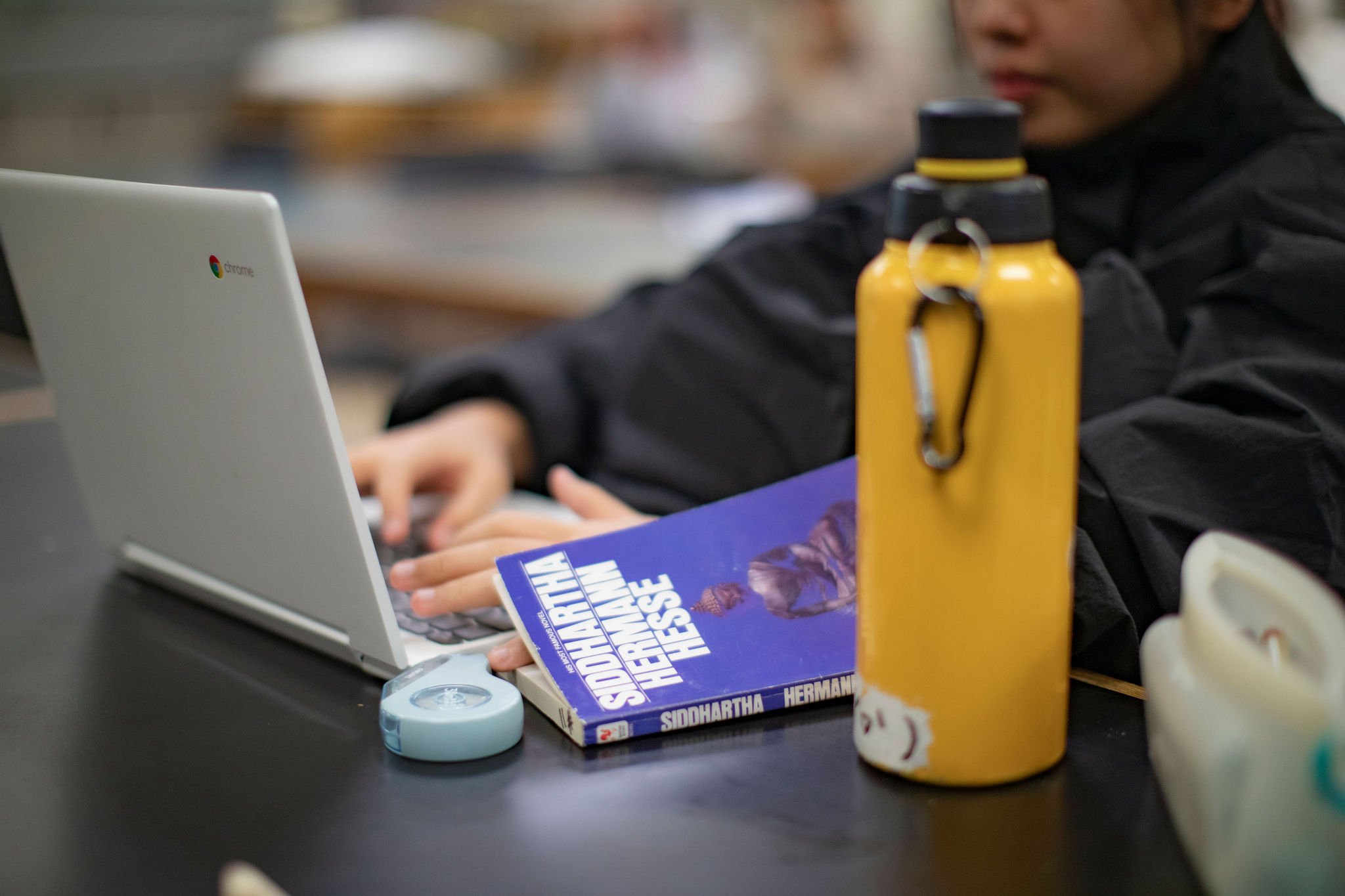
At Portland Waldorf School, we believe that a meaningful education is holistic, hands-on, and human-centered.
Our programs are designed to teach children in the collaborative and experiential way they are hard-wired to learn while taking a thoughtful and slow approach to technology and tech use, both in the classroom and among our families.
Recent research has revealed that screen time can interfere with healthy sleep, negatively affect the ability to focus, and slow language acquisition and cognitive development, especially in early childhood. A recent meta-study by the American Psychological Association even found a link between children’s mental health and the amount of time they spend on screens, suggesting that the overuse of screens can lead to emotional and behavioral problems, like aggression and low self-esteem. By contrast, research has consistently shown that children learn most effectively through multi-sensory, hands-on, and collaborative experiences.
At Portland Waldorf School, we don’t use screens or educational technology in grade school. Rather than engaging children through software and screens, our teachers plan creative and collaborative lessons that stimulate the senses and build community among our students. We partner with parents and caretakers to build good media habits at home. Here, children engage in the hands-on and sensory-rich experiences that fuel their intellectual, social, and physical growth before they are exposed to the often overwhelming effects of media and technology.
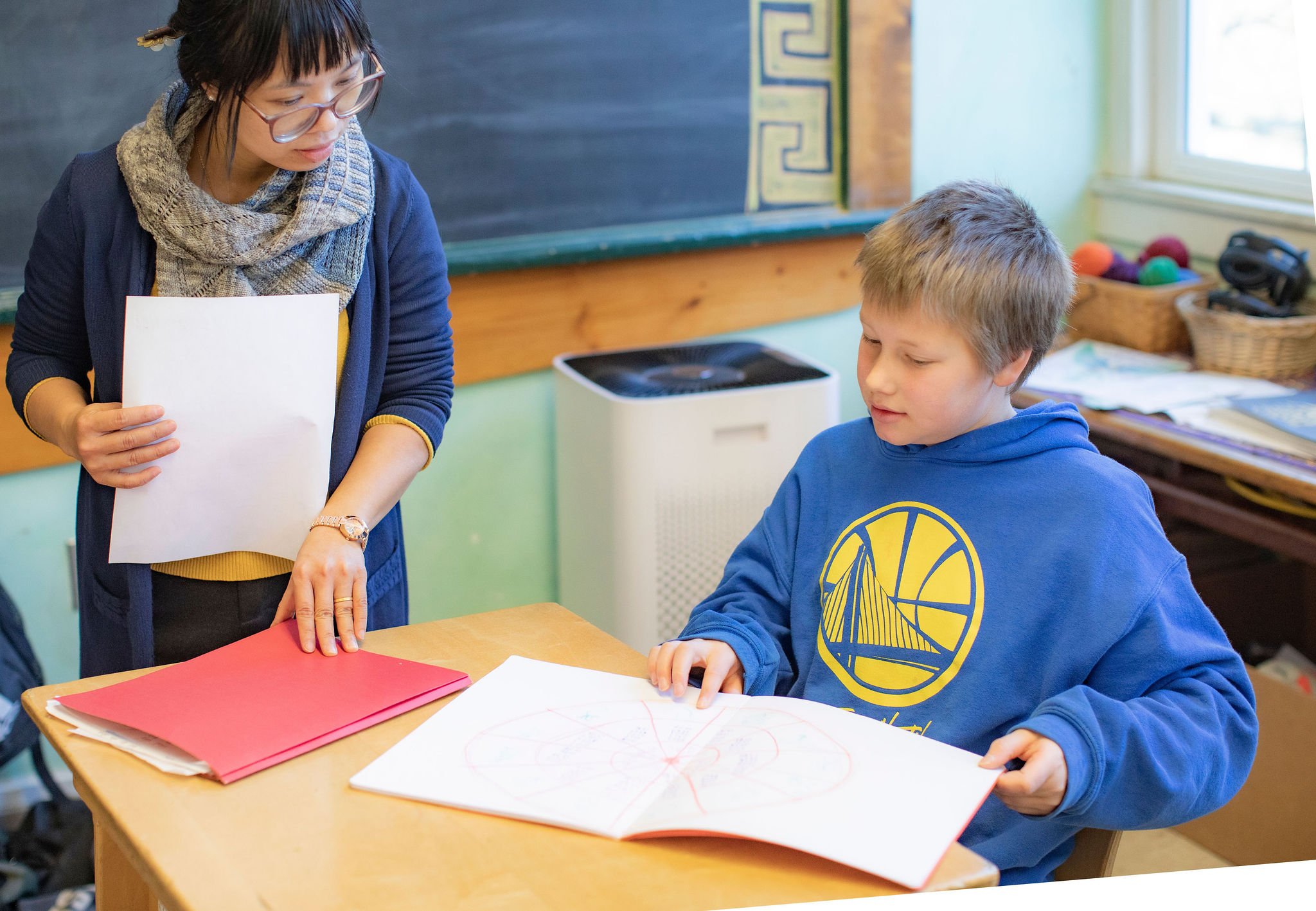
Building on this rich foundation, our curriculum slowly introduces tech during middle school. While classrooms remain screen-free, students begin to use technology for research and writing, learning how to find reliable sources and communicate responsibly. We study the effects of media and technology throughout history and explicitly discuss tech in our current culture as part of the Cyber Civics curriculum, encouraging students to think critically about topics like privacy, online citizenship, consent, and creativity.
In high school, our rigorous inquiry-based curriculum is designed to encourage critical thinking and creativity across academic disciplines. While our campus is cell-phone-free, technology is used intentionally in the classroom as a resource and a tool—but never as a replacement for authentic thinking or real human interaction. Group work, hands-on projects, oral presentations, and discussion remain essential to the classroom experience, preparing students to thrive, as human beings, in an increasingly digital world.
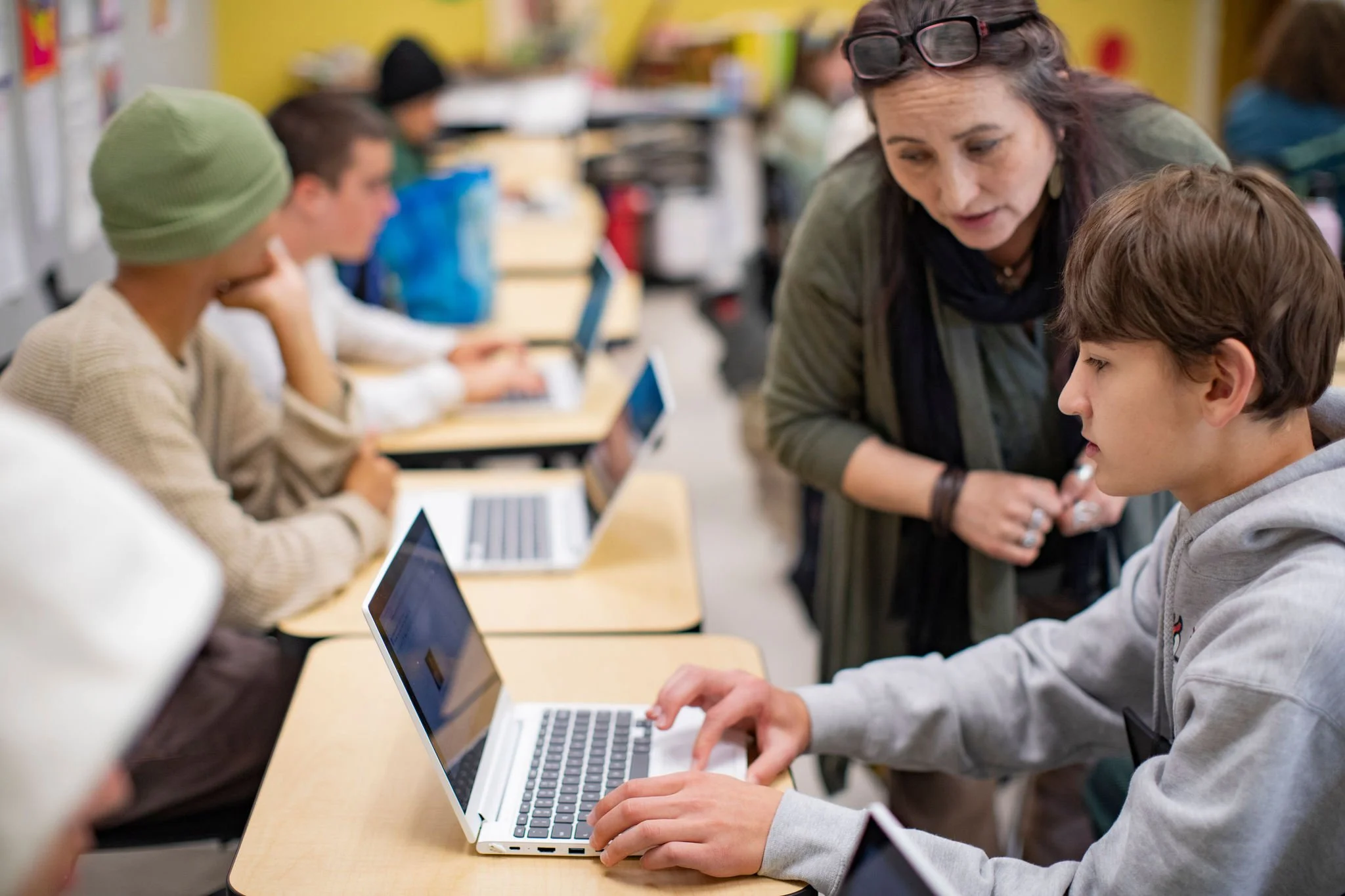
High school students at PWHS use technology sparingly. Class notes are still taken by hand and accompanied by drawings.
Learn more about our heart-filled, human-centered approach to education or sign up for a tour to visit our dynamic tech-free classrooms this fall. Interested to learn more about the high school? Visit portlandwaldorfhighschool.org.